Msg. 21975 of 21975 (This msg. is a reply to
21974 by
Zimbler0)
Jump:
Zim, Thank-you. That is a well thought out and reasoned article, based on excellent observations and a truthful recitation of actual history.
The final summary is not only cogent, but also bears reapeating.
Our Founding Fathers risked — and gave — their lives to deliver us a tiny, severely limited government: too small to rule us, too honest to rob us, too weak to tyrannize us. As active citizens, our purpose in politics, from voting to opining to running, must be to return these United States to that noble legacy.
Again, thank you, Zim.
Finally, brethren, whatsoever things are true, whatsoever things are honest, whatsoever things are just, whatsoever things are pure, whatsoever things are lovely, whatsoever things are of good ...
- - - - - The above is a reply to the following message:
What Does the Constitution Mean to Me?
By: Zimbler0 in
CONSTITUTION Fri, 09 Dec 22 12:30 AM
December 8, 2022
We see these questions all the time: What does happiness mean to me? What does love mean to me? What does success mean to me?
Some are helpful questions — for society, for one’s faith, for one’s career. And some are just online clickbait, racking up hits for ad revenue.
But one challenging question arises now and then, in the back of our minds if not the tip of our tongue: What does the Constitution mean to me?
To some of the early settlers or the more recent immigrants, it’s either the vague prospects of freedom and opportunity or the very concrete matter of safety from a government that was persecuting them for being the wrong denomination, the wrong color, the wrong class.
In truth, however, there is only one technical answer, and it is that the Constitution is simultaneously two specific things: a Format and a Contract.
As a Format, the Constitution of the United States establishes how our federal government is organized. There are three branches — the president runs the executive branch and appoints a judiciary that’s independent once appointed; the legislative branch writes the laws, and is composed of a House made up of congressmen directly elected by the voters, and a Senate made up of senators that was originally to be selected by the state legislatures and governors, although now that is a state-wide popular vote.
House members serve two-year terms; senators serve six-year terms, presidents serve four-year terms. Federal judges and justices serve for life. There have been a few modifications here and there: term limits imposed on the president and campaign finance limits imposed on all these civil servants are relatively minor, but the 17th Amendment’s complete upheaval of the Senate’s selection was of course quite major.
But all in all, the format, to the naked eye at least, looks pretty much the same after 240 years.
As a Contract, on the other hand, the Constitution of the United States establishes how this government is limited. This contract, between the people, their states, and this construct we call “the federal government” is severely restricted in size, scope, and authority: the federal government only exists to do — only allowed to do, in fact — certain very specific things.
The three branches have enumerated powers: they can collect taxes and declare war, run a post office and manage foreign policy, coin money and regulate commercial disputes between the states. They collect import duties and build roads. Very specific duties.
On top of that, in case this specific, clear list of enumerated powers wasn’t enough, the states agreed upon a requirement before ratifying the document: that there also be a Bill of Rights to limit government latitude even further. This Bill of Rights says that, even in the process of performing those enumerated duties, the federal government can still never step on our rights to freely assemble, to practice our religion, to keep and bear arms, to freely engage in political speech, etc.
And in case all this wasn’t enough, the Tenth Amendment hammers the key point home:
The powers not delegated to the United States by the Constitution, nor prohibited by it to the States, are reserved to the States respectively, or to the people.
In short, the Constitution is an incredibly limited contract. Its purpose is to establish a federal government to do the things that you absolutely must have a government for, like protecting our borders and coining money, but to keep it locked down, chained up, caged, so that it can never become the ferocious wild beast that our Framers knew all governments desperately want to become.
The Framers knew that for the people to be free, the government must be chained. And therefore also, the corollary: if the government is not chained, then the people will be.
What are we taught about the Constitution in our classrooms today? What have we been taught for the past few generations, in fact?
The teachers do a wonderful job of teaching that “format” part. Our junior high students know that there are three branches. Most of them remember through high school that the congressmen serve two years and presidents serve four. Some of them even remember this much until they turn 18 and get to vote for the first time.
But how many of them are ever even taught about the other part, the part about the Constitution being a contract, a binding document that imposes strict and unbreakable bonds upon that federal government, limiting it, banning it from doing most of the wild, costly things that political candidates promise to do if the people are foolish enough to elect them?
How many teachers are even aware of this other part, in fact? Do our teachers even realize that these — the Format and the Contract — are not two equal aspects?
Any honest reading of the Founding documents — the Federalist Papers, and even the Anti-Federalist Papers — quickly reveals that the entire purpose of the Constitution was its role as a contract. That’s what mattered to its writers. All that other stuff that makes up the format — the checks and balances, the age requirements, the length of terms — these were only tools in the service of the real purpose of the Constitution: to limit the size and power of government, to best safeguard the liberty of individual American citizens.
During that golden summer of 1787, the summer when 55 delegates from the several states met in Philadelphia to create this document, they toyed with all sorts of approaches. A unitary legislature or a bicameral one, a four-year term, a six-year term, or even a ten-year term for the president — everything was on the table. They weren’t wedded to one or the other on principle; they chose the eventual format they chose because they came to the conclusion that was the best method to achieve the desired end — the Contract part.
In the eyes of the Framers, your liberty and mine are not directly dependent on how old these people are when they’re elected or on how long they stay in office, but on what exactly they all do when they get there.
Everything that the federal government does to increase its reach serves only to decrease the people’s freedom. Every dollar they spend reduces our standard of living, reduces our children’s opportunities in life, reduces the living conditions in which our grandchildren will grow up.
The purpose of the Constitution is to restrain such impulses.
In recent years, we have seen the federal government grow at a record clip. We have watched it mandate untested, unproven vaccines as a condition of travel, employment, even assembly. We have seen federal tax dollars spent on gruesome surgeries trying to make boys look like girls or girls look like boys. We have seen federal regulations aim to shut down successful, proven industries, and federal subsidies aim to boost inefficient, unproven replacements. We have seen federal agents collude with media giants to hide information from the public to influence elections. We have seen levels of federally encouraged voter fraud that — in a 50-50 nation — most definitely does indeed change those election results.
So today, as we watch a new leadership prepare to assume control of Congress, as we debate what on earth we should do about everything that went wrong in the elections of 2020 and 2022, and as we try to determine how to deal with the ever-present threat to the economy, society, and security of our nation constituted by the current occupants of the executive branch… we need to look to the Constitution, and remember to weight its two aspects correctly.
If we ever have to choose between the format and the contract, we must remember: our Founding generation didn’t put their lives, fortunes, and sacred honor in jeopardy, in a devastating, eight-year war, in order to ensure that congressmen were at least 25 years old.
Our Founding Fathers risked — and gave — their lives to deliver us a tiny, severely limited government: too small to rule us, too honest to rob us, too weak to tyrannize us. As active citizens, our purpose in politics, from voting to opining to running, must be to return these United States to that noble legacy.
December 8, 2022
We see these questions all the time: What does happiness mean to me? What does love mean to me? What does success mean to me?
Some are helpful questions — for society, for one’s faith, for one’s career. And some are just online clickbait, racking up hits for ad revenue.
But one challenging question arises now and then, in the back of our minds if not the tip of our tongue: What does the Constitution mean to me?
To some of the early settlers or the more recent immigrants, it’s either the vague prospects of freedom and opportunity or the very concrete matter of safety from a government that was persecuting them for being the wrong denomination, the wrong color, the wrong class.
In truth, however, there is only one technical answer, and it is that the Constitution is simultaneously two specific things: a Format and a Contract.
As a Format, the Constitution of the United States establishes how our federal government is organized. There are three branches — the president runs the executive branch and appoints a judiciary that’s independent once appointed; the legislative branch writes the laws, and is composed of a House made up of congressmen directly elected by the voters, and a Senate made up of senators that was originally to be selected by the state legislatures and governors, although now that is a state-wide popular vote.
House members serve two-year terms; senators serve six-year terms, presidents serve four-year terms. Federal judges and justices serve for life. There have been a few modifications here and there: term limits imposed on the president and campaign finance limits imposed on all these civil servants are relatively minor, but the 17th Amendment’s complete upheaval of the Senate’s selection was of course quite major.
But all in all, the format, to the naked eye at least, looks pretty much the same after 240 years.
As a Contract, on the other hand, the Constitution of the United States establishes how this government is limited. This contract, between the people, their states, and this construct we call “the federal government” is severely restricted in size, scope, and authority: the federal government only exists to do — only allowed to do, in fact — certain very specific things.
The three branches have enumerated powers: they can collect taxes and declare war, run a post office and manage foreign policy, coin money and regulate commercial disputes between the states. They collect import duties and build roads. Very specific duties.
On top of that, in case this specific, clear list of enumerated powers wasn’t enough, the states agreed upon a requirement before ratifying the document: that there also be a Bill of Rights to limit government latitude even further. This Bill of Rights says that, even in the process of performing those enumerated duties, the federal government can still never step on our rights to freely assemble, to practice our religion, to keep and bear arms, to freely engage in political speech, etc.
And in case all this wasn’t enough, the Tenth Amendment hammers the key point home:
The powers not delegated to the United States by the Constitution, nor prohibited by it to the States, are reserved to the States respectively, or to the people.
In short, the Constitution is an incredibly limited contract. Its purpose is to establish a federal government to do the things that you absolutely must have a government for, like protecting our borders and coining money, but to keep it locked down, chained up, caged, so that it can never become the ferocious wild beast that our Framers knew all governments desperately want to become.
The Framers knew that for the people to be free, the government must be chained. And therefore also, the corollary: if the government is not chained, then the people will be.
What are we taught about the Constitution in our classrooms today? What have we been taught for the past few generations, in fact?
The teachers do a wonderful job of teaching that “format” part. Our junior high students know that there are three branches. Most of them remember through high school that the congressmen serve two years and presidents serve four. Some of them even remember this much until they turn 18 and get to vote for the first time.
But how many of them are ever even taught about the other part, the part about the Constitution being a contract, a binding document that imposes strict and unbreakable bonds upon that federal government, limiting it, banning it from doing most of the wild, costly things that political candidates promise to do if the people are foolish enough to elect them?
How many teachers are even aware of this other part, in fact? Do our teachers even realize that these — the Format and the Contract — are not two equal aspects?
Any honest reading of the Founding documents — the Federalist Papers, and even the Anti-Federalist Papers — quickly reveals that the entire purpose of the Constitution was its role as a contract. That’s what mattered to its writers. All that other stuff that makes up the format — the checks and balances, the age requirements, the length of terms — these were only tools in the service of the real purpose of the Constitution: to limit the size and power of government, to best safeguard the liberty of individual American citizens.
During that golden summer of 1787, the summer when 55 delegates from the several states met in Philadelphia to create this document, they toyed with all sorts of approaches. A unitary legislature or a bicameral one, a four-year term, a six-year term, or even a ten-year term for the president — everything was on the table. They weren’t wedded to one or the other on principle; they chose the eventual format they chose because they came to the conclusion that was the best method to achieve the desired end — the Contract part.
In the eyes of the Framers, your liberty and mine are not directly dependent on how old these people are when they’re elected or on how long they stay in office, but on what exactly they all do when they get there.
Everything that the federal government does to increase its reach serves only to decrease the people’s freedom. Every dollar they spend reduces our standard of living, reduces our children’s opportunities in life, reduces the living conditions in which our grandchildren will grow up.
The purpose of the Constitution is to restrain such impulses.
In recent years, we have seen the federal government grow at a record clip. We have watched it mandate untested, unproven vaccines as a condition of travel, employment, even assembly. We have seen federal tax dollars spent on gruesome surgeries trying to make boys look like girls or girls look like boys. We have seen federal regulations aim to shut down successful, proven industries, and federal subsidies aim to boost inefficient, unproven replacements. We have seen federal agents collude with media giants to hide information from the public to influence elections. We have seen levels of federally encouraged voter fraud that — in a 50-50 nation — most definitely does indeed change those election results.
So today, as we watch a new leadership prepare to assume control of Congress, as we debate what on earth we should do about everything that went wrong in the elections of 2020 and 2022, and as we try to determine how to deal with the ever-present threat to the economy, society, and security of our nation constituted by the current occupants of the executive branch… we need to look to the Constitution, and remember to weight its two aspects correctly.
If we ever have to choose between the format and the contract, we must remember: our Founding generation didn’t put their lives, fortunes, and sacred honor in jeopardy, in a devastating, eight-year war, in order to ensure that congressmen were at least 25 years old.
Our Founding Fathers risked — and gave — their lives to deliver us a tiny, severely limited government: too small to rule us, too honest to rob us, too weak to tyrannize us. As active citizens, our purpose in politics, from voting to opining to running, must be to return these United States to that noble legacy.
July 3, 2022
As is usual, the Supreme Court saved its most important decisions for the end of this term, and the three biggies were handed down within days of each other: “Bruen (gun rights), Dobbs (abortion rights) and West Virginia (administrative regulation of CO2).”
You don’t have to be a constitutional law scholar to wade through all this and the footnotes, citations, and legal disputations. Francis Menton has done it for you:
(You can’t rely on the major media to do it. For the most part they share the same ideological viewpoint as that of the three dissenting justices, a view Menton explains very well.)
In a nutshell:
>>
Vision 1. The Constitution allocates powers to the three branches of government, and also lists certain rights entitled to constitutional protection. The role of the courts is (1) to assure that the powers are exercised only by those to whom they are allocated, (2) to protect the enumerated rights, and (3) as to things claimed to be rights but not listed, to avoid getting involved.
Vision 2. The Constitution is an archaic document adopted more than 200 years ago, and largely obsolete. The role of the courts is to implement the current priorities of the academic left and then somehow rationalize how that is consistent with the written document. If a right is enumerated in the Constitution but disfavored by the current left (e.g., the right to “keep and bear arms”), then the courts should find a way to uphold enactments that minimize that right down to the point that it is a nullity. If a right is not enumerated in the Constitution, but is a priority of the left (e.g., abortion), then that right can be discovered in some vague and unspecific constitutional language (“due process”). And if the left has a priority to transform the economy and the way the people live, but the Congress does not have sufficient majorities to enact that priority, then the Executive agencies can implement that priority on their own authority, and the role of the courts is to assist the agencies in finding something in the tens of thousands of pages of federal statutes, however vague and dubious, that can be claimed to authorize the action. [/quote]
>>
These two views, he correctly observes, are irreconcilable.
The dissents, like the media coverage (I add) are made in the context of a 6-3 division in which View 2 has no chance of prevailing over the court’s majority which, unlike the media and academia, adheres to View 1.
So what’s the losing justices’ option? Obfuscate, because you sure don’t want people to understand that you want to take a position contrary to the clear words of the Constitution and as well, I say, to the overwhelming views of the electorate.
In Bruen, the dissent argued that gun control was the only acceptable moral decision in the face of statistics on firearm killing. (Another, option, of course, is a constitutional amendment, but the dissent knows as well as I do that would never pass.)
In the Dobbs case, the majority said there was nothing in the Constitution respecting a right to abortion, and that was an issue best left to the states, not some fancy penumbra and emanation confection by the Court. Again, the dissent made an appeal to its view of morality, not the law. Menton summarizes the dissent’s argument:
>>
“To oppose us would be to take women back to the Middle Ages. And what exactly does that have to do with the Constitution? Only a troglodyte could ask such a question! Obviously, the Constitution says whatever is needed to support these critical moral principles.”
>>
Well, it worked well enough to get most of academia on board, and if your media sources resemble those I’ve seen, the moral angle will be played to the hilt with stories of exceptional cases being treated as the rule. Never does it occur to these proponents of rule by judicial fiat that, there too, if they have the votes, they can write into the state laws abortion rules that suit them. They can even push for a constitutional amendment. Nor does it ever occur to them the greatest danger of the second view: A court that holds an entirely different view of morality could ignore the written and duly passed laws to enforce their own views. This escapes them because they’ve been in driver’s seat for so long they naturally assume they will always be there.
And then there’s the clipping of the administrative state in the West Virginia case, which I treat with greater detail here: another-big-win-the-court-clips-regulatory-states-claws
Whether or not you agree with Justice Elena Kagan’s frenetic claims about CO2, Menton is absolutely correct in his analysis of her dissenting opinion.
>>
The text of the Constitution? The reservation of “all legislative powers” to the Congress? Those are for chumps. By page 5 of her dissent, Justice Kagan has made it clear that a statute that just said “The government must do everything appropriate to save the planet; EPA to implement.” would be just fine with her to authorize the agency to transform the economy.
>>
He’s right too, that the last decision -- West Virginia -- is the most important one of the three. The Biden administration, without congressional action, is using the chimera of climate change to completely transform the economy. It is churning out pages of rules and regulations designed to hamper domestic energy production, not only through the EPA, but as well the SEC and Department of Interior. The rising prices of fuel, food, and shelter are occasioned by such rules and regulations, which make scarce that of which we have plenty -- sources of energy. The cost is being born by millions of Americans, and it’s clear to me that Kagan’s view of morality and theirs’ is in growing conflict.
Are you onboard with a country and its economy ruled by unelected bureaucrats given the green light to do so by unelected judges? I didn’t think you were. The dissenting View 2 justices are no match for the brilliance of the Founding Fathers who created the most sensible and abiding ruling Constitution.
As the losers in Congress continue to smear former President Trump using the vehicle of an utterly one-sided and partisan committee, don’t forget who made this needed shift possible. It was the very same Donald J. Trump, master of the mean tweet, who nominated the justices who are returning this country to a semblance of ordered liberty, respect for the law, and the Constitution.
Am I the only one who recognizes that twice the democrat
party conspired to deprive then President Trump of his
Constitutional Right to call witnesses at his 'trial's?
I mean, twice the democrats tried to impeach Trump and
twice they 'voted' and decreed that the President could
not call witnesses . . .
>>>
Amendment VI
In all criminal prosecutions, the accused shall enjoy the right to a speedy and public trial, by an impartial jury of the State and district wherein the crime shall have been committed, which district shall have been previously ascertained by law, and to be informed of the nature and cause of the accusation; to be confronted with the witnesses against him; to have compulsory process for obtaining witnesses in his favor, and to have the Assistance of Counsel for his defence.
>>>
Am I the only one who sees that the events on January 6
were more a ploy to deprive Trump supporters of their
Constitutional Right to assemble and announce their
grievances than an 'insurrection'?
I mean, everybody had to have known that Trump was
going to have a hundred thousand or so peeved
supporters out there to scream at the Congress
their belief that the 2020 election was stolen . . .
So why were there not a couple of battalions of
National Guardsmen in full riot gear to ensure
that it was a peaceful - but LOUD - demonstration?
>>>
Amendment I
Congress shall make no law respecting an establishment of religion, or prohibiting the free exercise thereof; or abridging the freedom of speech, or of the press; or the right of the people peaceably to assemble, and to petition the Government for a redress of grievances.
>>>
And are we not supposed to have equal protection
under the laws? So why is it that Trump supporters
are being held in jail for little more than a
trespassing charge . . . While BLM looters and
rioters are given a free pass?
Msg. 21971 of 21975 (This msg. is a reply to
21970 by
Beldin)
Jump:
Christy Noem , Governor of South Dakota, seems to be one of the very, very few governors, besides DeSantis, that has any sense and is willing to have a backbone and do what is right for the citizens of Those states...
THIS is exactly who we need in the White House..
A DeSantis/Noem ticket would be quite a welcome administration imo......
- - - - - The above is a reply to the following message:
South Dakota Bill Aims to Nullify Joe Biden’s Executive Orders
By: Beldin in
CONSTITUTION Tue, 09 Feb 21 1:56 AM
A legislative proposal in South Dakota’s House of Representatives seeks to give the state’s attorney general the authority to review presidential executive orders and possibly nullify those deemed unconstitutional.
“State Rep. Aaron Aylward (R-Harrisburg) introduced HB 1194, which is described as an act ‘to authorize the review of certain executive orders issued by the President of the United States,'” the Daily Wire reported Monday.
The process starts with a review by the Executive Council of the Legislative Research Board, then a referral from the Council sent to the state attorney general and the governor, according to KELO.
“Once the referral has been made, the attorney general may examine the order to determine whether the state can seek an exemption or declare it unconstitutional,” the report continued:
The proposed bill would also allow the attorney general to block implementation of any order deemed unconstitutional if the order refers to:
* A pandemic or other public health emergency
* The regulation of natural resources
* The regulation of the agricultural industry
* The regulation of land use
* The regulation of the financial sector through the imposition of environmental, social, or governance standards
* The regulation of the constitutional right to keep and bear arms
“This isn’t just a President [Joe] Biden issue but rather an overall executive overreach issue that we’ve been experiencing for a long time,” Aylward said.
“The U.S. Congress has abdicated their duty for a long time in different areas. This bill is simply setting up a process to nullify acts that would be unconstitutional. When looking at the U.S. Constitution, the President only has the powers that are laid out in Article II,” he added.
Meanwhile, the establishment media has attacked South Dakota Gov. Kristi Noem (R) for her handling of the coronavirus “particularly for allowing citizens to enjoy more freedoms and earn a living during the pandemic,” Breitbart News reported Thursday.
“She refused to impose draconian orders as other governors, such as Pennsylvania Gov. Tom Wolf (D) and New York Gov. Andrew Cuomo (D), have over the past year, shuttering ‘nonessential’ businesses and heavily restricting basic activities,” the outlet said.
Despite the criticism, Noem vowed in January that South Dakota would remain open as the country deals with another wave of coronavirus cases.
“For those who have spent the last nine months shut down or locked up in other states, South Dakota is open,” she said, adding, “We have stayed open the entire time, and that’s how we will operate for as long as I am governor.”
A legislative proposal in South Dakota’s House of Representatives seeks to give the state’s attorney general the authority to review presidential executive orders and possibly nullify those deemed unconstitutional.
“State Rep. Aaron Aylward (R-Harrisburg) introduced HB 1194, which is described as an act ‘to authorize the review of certain executive orders issued by the President of the United States,'” the Daily Wire reported Monday.
The process starts with a review by the Executive Council of the Legislative Research Board, then a referral from the Council sent to the state attorney general and the governor, according to KELO.
“Once the referral has been made, the attorney general may examine the order to determine whether the state can seek an exemption or declare it unconstitutional,” the report continued:
The proposed bill would also allow the attorney general to block implementation of any order deemed unconstitutional if the order refers to:
* A pandemic or other public health emergency
* The regulation of natural resources
* The regulation of the agricultural industry
* The regulation of land use
* The regulation of the financial sector through the imposition of environmental, social, or governance standards
* The regulation of the constitutional right to keep and bear arms
“This isn’t just a President [Joe] Biden issue but rather an overall executive overreach issue that we’ve been experiencing for a long time,” Aylward said.
“The U.S. Congress has abdicated their duty for a long time in different areas. This bill is simply setting up a process to nullify acts that would be unconstitutional. When looking at the U.S. Constitution, the President only has the powers that are laid out in Article II,” he added.
Meanwhile, the establishment media has attacked South Dakota Gov. Kristi Noem (R) for her handling of the coronavirus “particularly for allowing citizens to enjoy more freedoms and earn a living during the pandemic,” Breitbart News reported Thursday.
“She refused to impose draconian orders as other governors, such as Pennsylvania Gov. Tom Wolf (D) and New York Gov. Andrew Cuomo (D), have over the past year, shuttering ‘nonessential’ businesses and heavily restricting basic activities,” the outlet said.
Despite the criticism, Noem vowed in January that South Dakota would remain open as the country deals with another wave of coronavirus cases.
“For those who have spent the last nine months shut down or locked up in other states, South Dakota is open,” she said, adding, “We have stayed open the entire time, and that’s how we will operate for as long as I am governor.”
The essential American soul is hard, isolate, stoic, and a killer. It has never yet melted. ~ D.H. Lawrence
FEC United. Damn, not one word of recording the evidence, and probably didn't since he had to paraphrase what he heard. Inadmissible in court as hear-say. Would love an actual recording.
Finally, brethren, whatsoever things are true, whatsoever things are honest, whatsoever things are just, whatsoever things are pure, whatsoever things are lovely, whatsoever things are of good ...
Note that the Trump lawyers have NO SUBPOENA POWER and so far the so-called courts have REFUSED all attempts to seize and secure actual physical evidence.
With democraps still holding the House contacting your Representative to attempt the following is a waste of effort.
CONGRESS (and the DOJ) can both issue subpoenas and get court ordered SEARCH AND SEIZURE warrants. The evidence already presented by the Trumplegalteam is more than sufficient for nationwide S&S warrant for ALL DOMINION machines, their logs, the lists of operators and technicians with access to those machines, and physical inspection of facilities with photos of ALL cables etc. connected to those machines plus measurements of any wi-fi signals in their viciniity.
The SENATE committees do have such power. I think the judiciary committee, chaired by Lindsey Graham is the most appropo committee for such contact. They have jurisdiction over DOJ oversight - and thus are closest to the legal ENFORCEMENT powers of our country.
PLEASE CONTACT LINDSEY GRAHAM AND SEN. TED CRUZ AND REQUEST THAT THEY
1. IMMEDIATELY INITIATE A CRIMINAL INVESTIGATION REQUEST TO THE DOJ;
2, IMMEDIATELY ISSUE SUBPOENAS FOR ALL VOTING RECORDS, VOTING ROLLS, ALL PERSONNEL, ALL COMMUNICATION **(INCLUDING TEXT MESSAGES, CELL PHONE RECORDS, ETC.) RELATED TO THE ELECTION AND WORKERS INVOLVED.
3.IMMEDIATELY SEIZE ALL DOMINION/SMARTMATIC/SEQUOYA SYSTEMS IN ALL, NOT JUST CONTESTED, STATES - INCLUDING THE LIST OF PERIPHERAL INFO INCLUDED PREVIOUSLY IN THIS POST.
Please emphasize that the above must be done immediately and certainly justify calling an emergency session of the committee and suspension of any 'rules' that the democraps might use to delay or stop such actions.
WE, THE PEOPLE, HAVE AN ABSOLUTE RIGHT IN THE FIRST AMENDMENT TO DEMAND SUCH ACTION.
Rudy and Sydney Powell (and the rest of the team) laid out compelling evidence of such 'potential massive fraud' today, Thursday Nov 19, 2020 for these measures to all be taken.
subnote: If you wish to c&p this post to be your message, DELETE THE LINK at the top. The Senate mail blocks ALL URLS.
Finally, brethren, whatsoever things are true, whatsoever things are honest, whatsoever things are just, whatsoever things are pure, whatsoever things are lovely, whatsoever things are of good ...
Msg. 21967 of 21975 (This msg. is a reply to
21966 by
Zimbler0)
Jump:
Nope on Pigloosy ....
Election of the President and Vice President by Congress ...
[Search domain electoralcollegehistory.com/electoral/crs-congress.asp] electoralcollegehistory.com/electoral/crs-congress.asp
The 12th Amendment to the Constitution requires that candidates for President and Vice President receive a majority of electoral votes ( currently 270 or more of a total of 538 ) to be elected. If no candidate receives a majority, the President is elected by the House of Representatives, and the Vice President is elected by the Senate.
This process is referred to as contingent election. It has occurred only twice since the adoption of the 12th Amendment in 1804: for President in 1825, and for Vice President in 1837. In the House, the President is elected from among the three candidates who received the most electoral votes.
Each state casts a single vote for President, which is arrived at by an internal vote conducted within each state delegation. A majority of 26 or more state votes is required to elect. The District of Columbia, however, does not participate in contingent election of either the President or Vice President.
In 1825, the House decided that a majority of votes of Representatives in each state was required to cast the state's vote for a particular candidate; if none received a majority, the state's vote was counted as "divided" and was forfeit for that round of voting. This and other decisions reached in the 1825 procedure would be precedential, but not binding, in future contingent elections. In cases where a state has only one Representative, that Member decides the state vote. In the Senate, the Vice President is elected from among the two candidates for Vice President who received the most electoral votes, with each Senator casting a single vote. A majority of the whole Senate, 51 or more votes, is necessary to elect.
... continues ....
Finally, brethren, whatsoever things are true, whatsoever things are honest, whatsoever things are just, whatsoever things are pure, whatsoever things are lovely, whatsoever things are of good ...
- - - - - The above is a reply to the following message:
Msg. 21965 of 21975 (This msg. is a reply to
21964 by
Zimbler0)
Jump:
>>But it is the Senates job to confirm whether or not a Justice is worthy
of a Supreme Court seat. For whatever reason. And I can not call it
a 'taking without a trial jury'. Denying someone a job is not the
same thing as taking away ones current job.
Making accusations of criminal activity, stripping a man of his reputation.....
Sorry, Zim - you are dead wrong. Those are indeed 'trials without a jury and without the right to confront your accusers and without the right to defend yourself (extremely limited and illegally limited right of self defense.' and most certainly are takings, of liberty, of rights, of reputation.
Slander and libel are criminal acts - and being committed in the guise of 'required examination of qualifications' is ZERO DEFENSE - and certainly NOT within the scope of the 'speech and debate' clauses.
I remember Judge Robert Bork, and the Justice Clarence Thomas affairs quite clearly. Biden and Anita Hill ring any bells? As disgusting, even moreso, than the Kavanaugh case.
Agree with the rest of your post - well said.
Finally, brethren, whatsoever things are true, whatsoever things are honest, whatsoever things are just, whatsoever things are pure, whatsoever things are lovely, whatsoever things are of good ...
- - - - - The above is a reply to the following message:
Re: Two " told ya sews' ,,,
By: Zimbler0 in
CONSTITUTION Sun, 18 Oct 20 2:57 AM
MonkeyTrots > Kavanaugh-gate, Thomas, and Bork(ing) were especially appalling -and violations of "no takings without a trial jury",
Sir,
I don't much remember Justice Clarence Thomas or Robert Bork . . .
Given recent events it would not surprise me that both were unjustly
slandered and maligned.
Judge Kavanaugh? It is my opinion that the democrat party senators
deserve to be hung by the neck until dead for that despicable evil
slanderous hit job they perpetrated. They knew blasey ford had
nothing. They knew she was a liar. And for all of them to scream
"There Must be an FBI investigation" . . . After the FBI had concluded
there was nothing there . . .
But it is the Senates job to confirm whether or not a Justice is worthy
of a Supreme Court seat. For whatever reason. And I can not call it
a 'taking without a trial jury'. Denying someone a job is not the
same thing as taking away ones current job.
Don't get me too wrong, I know Justice Kavanaugh was slandered and
smeared. And if you tell me Clarence and Bork were too, I'd
believe it.
As for President Trump's 'impeachment'. That was quite clearly
an attempt to remove the duly elected President of these United
States. adam schitt was holding a 'show trial'. A kangaroo court
would be another apt description of the proceedings. I do not
believe that any of the 'evidence' presented would have been
admissible in any legal court of law. And the fact that the
Repugnicans was not allowed to call any witnesses just seals the
fact that it was a most unfair, illegal, Un-Constitutional attempt
to overthrow these United States.
These are just my opinions. But.
It is nice to know that I am not the only person who sees it that way.
Msg. 21964 of 21975 (This msg. is a reply to
21963 by
monkeytrots)
Jump:
MonkeyTrots > Kavanaugh-gate, Thomas, and Bork(ing) were especially appalling -and violations of "no takings without a trial jury",
Sir,
I don't much remember Justice Clarence Thomas or Robert Bork . . .
Given recent events it would not surprise me that both were unjustly
slandered and maligned.
Judge Kavanaugh? It is my opinion that the democrat party senators
deserve to be hung by the neck until dead for that despicable evil
slanderous hit job they perpetrated. They knew blasey ford had
nothing. They knew she was a liar. And for all of them to scream
"There Must be an FBI investigation" . . . After the FBI had concluded
there was nothing there . . .
But it is the Senates job to confirm whether or not a Justice is worthy
of a Supreme Court seat. For whatever reason. And I can not call it
a 'taking without a trial jury'. Denying someone a job is not the
same thing as taking away ones current job.
Don't get me too wrong, I know Justice Kavanaugh was slandered and
smeared. And if you tell me Clarence and Bork were too, I'd
believe it.
As for President Trump's 'impeachment'. That was quite clearly
an attempt to remove the duly elected President of these United
States. adam schitt was holding a 'show trial'. A kangaroo court
would be another apt description of the proceedings. I do not
believe that any of the 'evidence' presented would have been
admissible in any legal court of law. And the fact that the
Repugnicans was not allowed to call any witnesses just seals the
fact that it was a most unfair, illegal, Un-Constitutional attempt
to overthrow these United States.
These are just my opinions. But.
It is nice to know that I am not the only person who sees it that way.
>>Am I the only person in America who thinks that was a severe violation of the Constitution?
Mope, Zim. There be a heaping lot of us them there deplorables,
Also a lot of Constitutional violations in ALMOST ALL Congressional hearings - especially SCOTUS confirmations ... contrary to what the so-called legal ex-squirts say.
Kavanaugh-gate, Thomas, and Bork(ing) were especially appalling -and violations of "no takings without a trial jury", right to CONFRONT WITNESSES and DEFEND one's self - not just a time limited 'response'.
The entire Senate, dems and pugs have grossly abrogated their duties to defend those 'trivial' rights that so much blood has been spent in securing.
Msg. 21963 of 21975 (This msg. is a reply to
21962 by
Zimbler0)
Jump:
>>Am I the only person in America who thinks that was a severe violation of the Constitution?
Mope, Zim. There be a heaping lot of us them there deplorables,
Also a lot of Constitutional violations in ALMOST ALL Congressional hearings - especially SCOTUS confirmations ... contrary to what the so-called legal ex-squirts say.
Kavanaugh-gate, Thomas, and Bork(ing) were especially appalling -and violations of "no takings without a trial jury", right to CONFRONT WITNESSES and DEFEND one's self - not just a time limited 'response'.
The entire Senate, dems and pugs have grossly abrogated their duties to defend those 'trivial' rights that so much blood has been spent in securing.
ALL truly disgusting.
Finally, brethren, whatsoever things are true, whatsoever things are honest, whatsoever things are just, whatsoever things are pure, whatsoever things are lovely, whatsoever things are of good ...
Well, yeah. The entire democrat party acts more like a criminal
conspiracy.
Within the Bill of Rights it says the accused has the right to
call witnesses.
In the Presidents 'impeachment' 'trial' where the democrats were
allegedly prosecuting the President for his 'crimes' . . . The
Republicans were not allowed to call any witnesses.
Am I the only person in America who thinks that was a severe
violation of the Constitution?
Msg. 21962 of 21975 (This msg. is a reply to
21961 by
monkeytrots)
Jump:
Well, yeah. The entire democrat party acts more like a criminal
conspiracy.
Within the Bill of Rights it says the accused has the right to
call witnesses.
In the Presidents 'impeachment' 'trial' where the democrats were
allegedly prosecuting the President for his 'crimes' . . . The
Republicans were not allowed to call any witnesses.
Am I the only person in America who thinks that was a severe
violation of the Constitution?
Flynn Family Statement- September 25, 2020: Evidence Of Massive Corruption By Obama-Biden FBI DOJ & SCO Pour From Just Released Documents Exposing Targeting Of General Flynn-To “Get Trump” We Demand Justice Now🇺🇸⭐️⭐️⭐️🇺🇸@GenFlynn @SidneyPowell1 @realDonaldTrump
Flynn Family Statement- September 25, 2020: Evidence Of Massive Corruption By Obama-Biden FBI DOJ & SCO Pour From Just Released Documents Exposing Targeting Of General Flynn-To “Get Trump” We Demand Justice Now🇺🇸⭐️⭐️⭐️🇺🇸@GenFlynn @SidneyPowell1 @realDonaldTrump
brought to you courtesy of duedillinger. Hat tip.
Finally, brethren, whatsoever things are true, whatsoever things are honest, whatsoever things are just, whatsoever things are pure, whatsoever things are lovely, whatsoever things are of good ...
First, shortly after President Trump was elected the statement:
"The (new) civil war has already started."
Events of the past few weeks were an openly displayed view of the battles that had already started and is escalating.
Secondly. In contrast to a couple of posters (no names will be mentioned) the point blank statement(s) were made.
General Michael Flynn DID NOT LIE to vice-president Pence ... and General Flynn DID NOT LIE to the FBI.
Firing General Flynn was the most severely self-destructive mistake that President Trump has made in his entire time in office. General Flynn is a warrior, and President Trump would have reveled in the wisdom and integrity of this great American Hero. Under Flynn the impeachment and 'special prosecutor' would never have happened.
Today - even more of the criminal activity of those that attempted to put General Flynn in prison came to light.
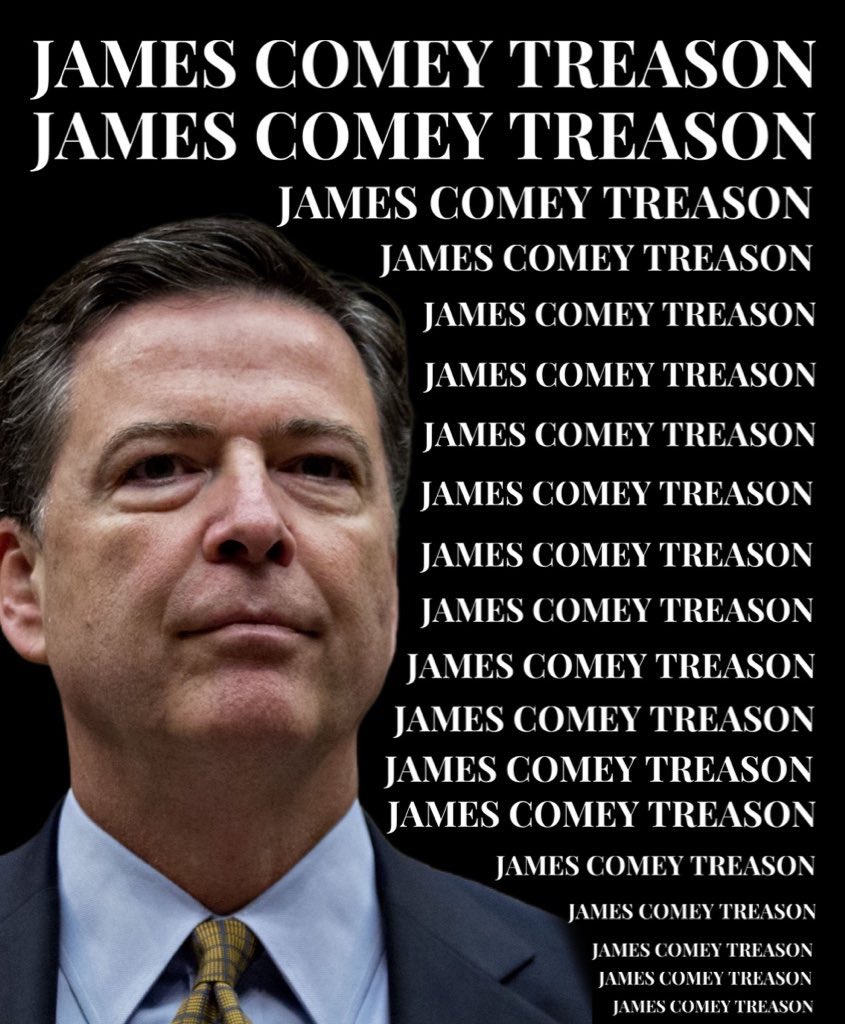
Sydney (his lawyer) released, on national TV, that immediately prior to the open attacks on General Flynn that General Flynn was starting an audit of ALL INTELLIGENCE AGENCIES (an audit of the lack of intelligence and lack of integrity.) This is the KEY as to why General Flynn HAD to be taken out by the deep state, esp. Comey, Clapper, Brenner, and Mattis.
Mattis, Kelly, and McMater are borderline treasonous.
Milley (current Joint Chief of Staff) should be court-martialed and removed from the service for conduct unbecoming and rank insubordination and dereliction of duty for his statements about the 'church walk'. His oath as an officer requires defense of THIS COUNTRY against ALL enemies - foreign AND DOMESTIC. DOMIESTIC RIOTING is not 'politics' - is an attack by DOMESTIC ENEMIES. Since the man clearly will not perform his duty without complaint, he should be GONE - immediately.
DON'T BELIEVE A DAMN WORD YOU READ ON THIS WEBSITE!
The reader is responsible for discerning the validity, factuality or implications of information posted here, be it fictional or based on real events. Moderators on this forum make every effort to review the material posted on this site however, it is not realistically possible for a one man team to manually review each and every one of the posts atomicbobs.com gets on a daily basis.
The content of posts on this site, including but not limited to links to other web sites, are the expressed opinion of the original poster and are in no way representative of or endorsed by the owners or administration of this website. The posts on this website are the opinion of the specific author and are not statements of advice, opinion, or factual information on behalf of the owner or administration of Atomicbob’s. This site may contain adult language, if you feel you might be offended by such content, you should log off immediately.
Not all posts on this website are intended as truthful or factual assertion by their authors. Some users of this website are participating in internet role playing, with or without the use of an avatar. NO post on this website should be considered factual information on face value alone. Users are encouraged to
USE DISCERNMENT
and do their own follow up research while reading and posting on this website. Atomicbobs.com reserves the right to make changes to, corrections and/or remove entirely at any time posts made on this website without notice. In addition, Atomicbobs.com disclaims any and all liability for damages incurred directly or indirectly as a result of a post on this website.
This website implements certain security features in order to prevent spam and posting abuse. By making a post on this website you consent to any automated security checks required by our system to authenticate your IP address as belonging to an actual human. It is forbidden to make posts on this website from open proxy servers. By making a post on this website you consent to an automated one time limited port scan of your IP address which is required by our security system to validate the authenticity of your internet connection.
This site is provided "as is" without warranty of any kind, either expressed or implied. You should not assume that this site is error-free or that it will be suitable for the particular purpose which you have in mind when using it. In no event shall Atomicbobs.com be liable for any special, incidental, indirect or consequential damages of any kind, or any damages whatsoever, including, without limitation, those resulting from loss of use, data or profits, whether or not advised of the possibility of damage, and on any theory of liability, arising out of or in connection with the use or performance of this site or other documents which are referenced by or linked to this site.
Some events depicted in certain posting and threads on this website may be fictitious and any similarity to any person living or dead is merely coincidental. Some other articles may be based on actual events but which in certain cases incidents, characters and timelines have been changed for dramatic purposes. Certain characters may be composites, or entirely fictitious.
We do not discriminate against the mentally ill!
Fair Use Notice:
This site may contain copyrighted material the use of which has not always been specifically authorized by the copyright owner. Users may make such material available in an effort to advance awareness and understanding of issues relating to civil rights, economics, individual rights, international affairs, liberty, science & technology, etc. We believe this constitutes a 'fair use' of any such copyrighted material as provided for in section 107 of the US Copyright Law.
At some point freedom of speech and copyright law merge. The following interpretation of "Fair Use" and subsequent posting policy were developed with the assistance of qualified legal council however, we are not lawyers and cannot offer you legal advise as to the limits of "Fair Use"
In accordance with industry accepted best practices we ask that users limit their copy / paste of copyrighted material to the relevant portions of the article you wish to discuss and no more than 50% of the source material, provide a link back to the original article and provide your original comments / criticism in your post with the article.
Though legally each situation is evaluated independently according to guidelines that were intentionally left open to interpretation, we believe generally this policy represents "Fair Use" of any such copyrighted material for the purposes of education and discussion.
You are responsible for what you "publish" on the internet. You must be sure any copyrighted material you choose to post for discussion on this forum falls within the limits of "Fair Use" as defined by the law.
If you are a legal copyright holder or a designated agent for such and you believe a post on this website falls outside the boundaries of "Fair Use" and legitimately infringes on yours or your clients copyright
we may be contacted concerning copyright matters at:
If you require a courier address please send a fax or email and we will provide you with the required information.
For expedited human review & removal of potential copyright violations we encourage users & copyright holders to utilize the "Report Copyright Violation" button that accompanies each post published on this website.
In accordance with section 512 of the U.S. Copyright Act our contact information has been registered with the United States Copyright Office. "Safe Harbor" noticing procedures as outlined in the DMCA apply to this website concerning all 3rd party posts published herein.
If notice is given of an alleged copyright violation we will act expeditiously to remove or disable access to the material(s) in question. It is our strict policy to disable access to accounts of repeat copyright violators. We will also ban the IP address of repeat offenders from future posting on this website with or without a registered account.
All 3rd party material posted on this website is copyright the respective owners / authors. Atomicbobs.com makes no claim of copyright on such material.
Please be aware any communications sent complaining about a post on this website may be posted publicly at the discretion of the administration.
---
DON'T BREAK THE LAW!
---
Other than that you can do / say whatever you want on this forum.
We reserve the right to block access to this website by any individual or organization at any time for any reason whatsoever or no reason at all.

 |
|